Does Fotona 4D Laser Facial (TimeWalker) Hurt?
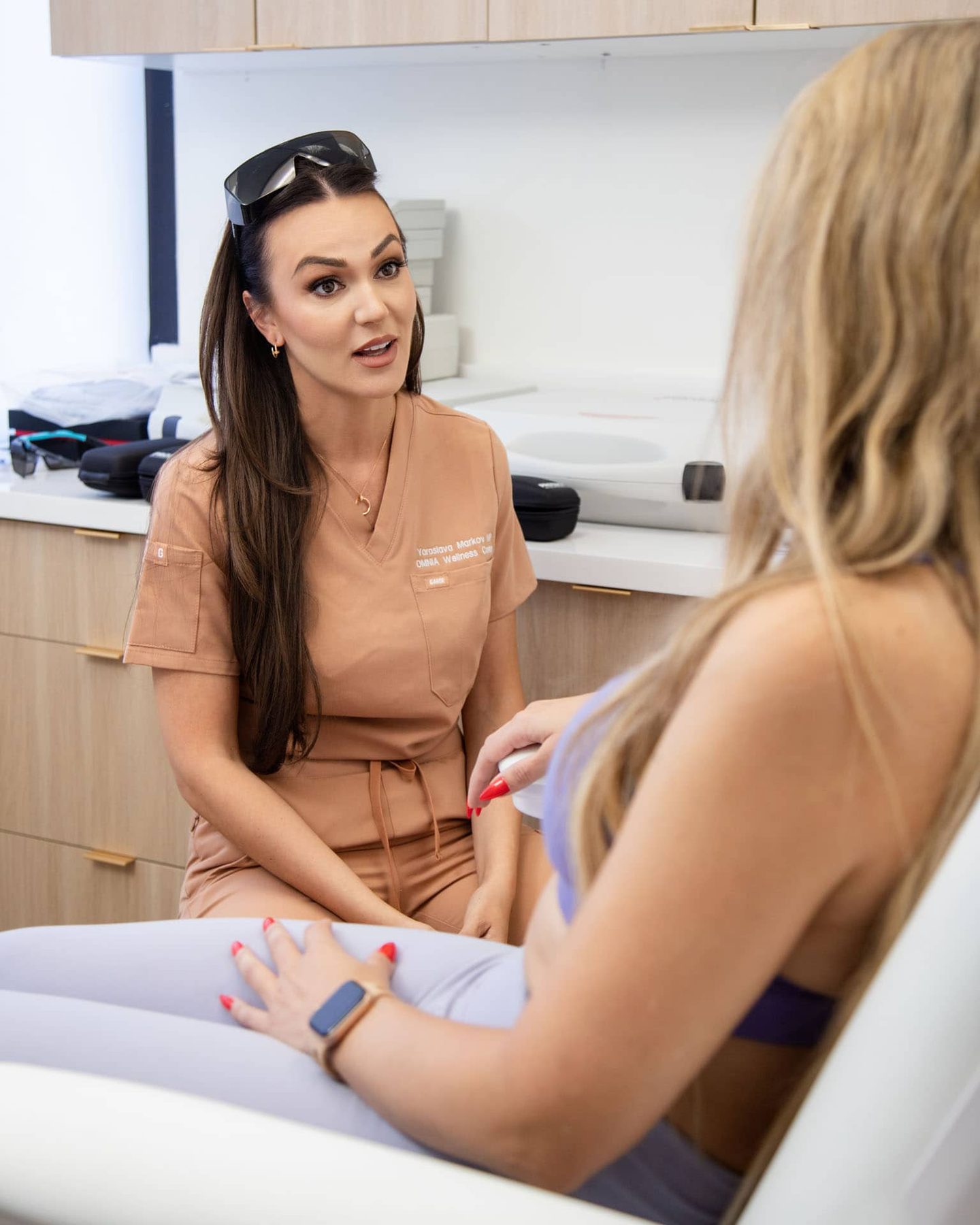
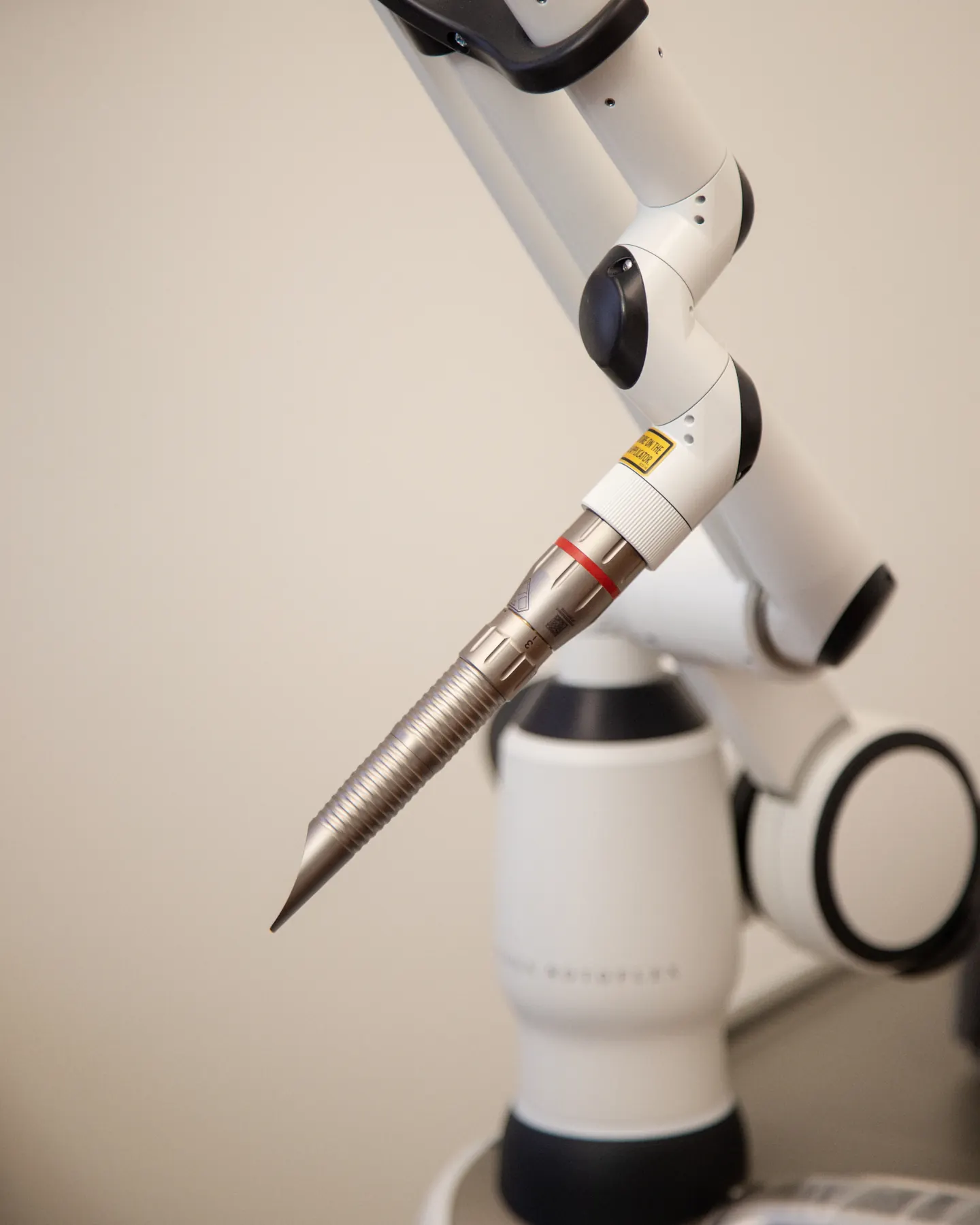
If you are considering a Fotona 4D Laser Facial (TimeWalker), the question usually arrives before anything else: how much is this going to hurt?
That is the right question to ask, because laser treatments sit in a strange category. They are not surgery, but they are not the same as a gentle facial either. Clinics often describe them as “comfortable” or “well tolerated,” which may be true in a broad sense but does not tell you what the experience actually feels like when you are in the chair, eyes protected, hearing the pulse of the machine near your face.
The honest answer is that most people do not describe Fotona 4D as truly painful, but “painless” is too simple and often too optimistic. For many patients, it lands somewhere between warm, prickly, and intense, depending on which step is being performed, the settings used, your skin sensitivity, and how aggressively the treatment is tailored. Some parts feel surprisingly easy. Others can sting, especially around thin skin or areas with more nerve density, such as the upper lip and around the nose.
A lot of anxiety comes from not knowing what kind of discomfort to expect. Once you understand how this treatment is delivered, and which stages tend to be felt more than others, the whole thing becomes easier to evaluate.
Why the answer is not a simple yes or no
The term Fotona 4D Laser Facial (TimeWalker) Fotona 4D covers a multi step laser rejuvenation protocol rather than one single pass with one single sensation. That matters. A TimeWalker treatment can include intraoral tightening, deeper heating, fractional resurfacing, and superficial polishing, all in the same appointment or adapted in lighter combinations. Saying “it hurts” or “it doesn’t hurt” misses the point because different stages feel different.
In practice, pain is shaped by four things at once: the laser mode, the energy level, the treatment area, and the person receiving it. One patient may lie through the whole session chatting, then say the inside of the mouth felt odd but not bad. Another may tolerate the cheeks well and still wince on the upper lip. Both reports can be accurate.
This is one reason experienced practitioners spend a few minutes before treatment setting expectations instead of promising a blanket pain score. When expectations are realistic, patients do better. They relax, they know when an intense burst is normal, and they do not interpret every snap of heat as a sign that something is wrong.
What Fotona 4D actually feels like
The TimeWalker platform is known for combining complementary modes to address texture, laxity, fine lines, and overall skin quality. In a typical Fotona 4D Laser Facial (TimeWalker), the treatment may move from deeper tissue stimulation to more surface level work. The feeling changes from step to step.
The smooth, non ablative heating phases are usually the easiest for patients. These are often described as waves of warmth, similar to a hot stone held near the skin, though more focused and rhythmic. The heat builds gradually. When settings are conservative and the operator is attentive, this stage is often very manageable.
The intraoral component, when included, surprises people more by how unusual it feels than by how painful it is. The handpiece treats from inside the mouth to stimulate collagen in the lower face and perioral area. Most people describe it as pressure and warmth against the inner cheek rather than sharp pain. It can feel awkward. It can trigger a little jaw fatigue if your mouth stays open for a while. But this stage is not usually the one patients complain about afterward.
The more intense sensations tend to appear during fractional or resurfacing style passes. This is where words like prickling, snapping, zinging, and brief stinging come up. Some compare it to tiny sparks hitting the skin. Others say it feels like a rubber band snap mixed with heat. Those analogies are imperfect, but they are closer to reality than saying it feels like nothing.
The difference between “uncomfortable” and “painful” often comes down to density and repetition. A single pulse may be easy. Multiple passes over one sensitive area can become tiring. That is especially true near the mouth, under the eyes, and over thinner skin. A provider who works efficiently and checks in as they go makes a real difference here.
The areas that usually feel the most sensitive
Not every part of the face responds the same way. The cheeks are often easier to tolerate than people expect, partly because there is more surface area and the skin is not as delicate as it is elsewhere. The forehead can be moderate. The jawline varies. The upper lip is notorious.
That upper lip area deserves its reputation. Even people who do well with lasers elsewhere often tense up there. The skin is thin, the nerves are more noticeable, and many treatments target fine lines in that zone with enough precision to be distinctly felt. Around the nostrils can also be sharp for the same reason.
The lower eyelid and crow’s feet region can feel intense, not always because the laser energy is highest, but because the skin is fine and people are naturally protective around the eyes. Good eye protection and calm communication matter a lot in this area.
Inside the mouth, the experience is usually not painful in a traditional sense, but some patients dislike it because it feels unfamiliar. If you are prone to gagging, jaw tension, or sensory sensitivity, that is worth mentioning ahead of time.
How painful is it on a real-world scale?
Patients love number scales, even though they are crude. If you asked a broad group of people to rate a Fotona 4D Laser Facial (TimeWalker), you would probably hear answers mostly in the mild to moderate range, with a few higher scores from those who had stronger settings, more aggressive resurfacing, or very sensitive skin.
A reasonable shorthand is this: many people would place most of the treatment around a 2 to 5 out of 10, with brief spikes to a 6 or 7 in certain areas. That is not a guarantee. It is a practical way to frame expectations. The key phrase is brief spikes. The discomfort usually comes in pulses, not as one long sustained burn.
That pattern makes the treatment more tolerable than the same pain level held continuously for thirty minutes. It also means the clinician’s pacing matters. Short pauses, clear warnings before a sensitive area, and appropriate cooling can turn a stressful session into a manageable one.
What changes the pain level the most
Pain is not just about toughness. There are predictable variables that push a laser treatment up or down on the comfort scale.
- Higher energy settings and denser passes usually feel stronger.
- Thin, dry, inflamed, or barrier impaired skin tends to react more.
- Hormonal timing, poor sleep, and stress can lower pain tolerance.
- Areas around the lips, nose, and eyes are commonly more sensitive.
- An experienced operator can often improve comfort significantly through technique.
That last point gets overlooked. The machine matters, but the person using it matters just as much. A skilled clinician knows how to overlap appropriately, adjust settings based on feedback, and avoid unnecessary extra passes. They also recognize when redness or patient discomfort suggests the plan should be modified rather than pushed through.
I have seen patients describe the same device in completely different terms depending on who performed the treatment. That is not because one of them was exaggerating. Technique changes the lived experience.
Does numbing cream help?
Sometimes yes, sometimes only partially, and sometimes it is not needed for the entire treatment.
Topical anesthetic can take the edge off more superficial stinging, especially in sensitive zones like the upper lip. It is less useful for deep thermal sensations, which are felt as heat building below the surface rather than only on the skin. That is why a patient can still feel intensity even after a good numbing application.
Some clinics use numbing cream selectively rather than everywhere. Others skip it for lighter treatment settings because it adds time and is not always necessary. If the session includes a stronger resurfacing component, topical anesthetic is more commonly considered. Cooling air, chilled gauze, and short pauses are also practical tools, often more effective than patients expect.
If you know you are sensitive, say so before the day of treatment. Do not wait until the handpiece touches your face. A good clinic would rather build in an extra twenty to thirty minutes for comfort than have you tense through the appointment.
What the treatment feels like afterward
For many patients, the treatment room is only half the story. The real question is whether the face will keep hurting once they leave. Usually, the immediate after sensation is more heat and tenderness than pain.
Right after treatment, the skin often feels warm, flushed, and tight, similar to a strong sun exposure combined with mild swelling. If there has been more resurfacing, the skin can feel rough, dry, and a little peppery for a couple of days. Some people describe a prickly or sandpapery texture. That is normal in many protocols.
Most of the time, post treatment discomfort is manageable and short lived. Patients are far more likely to say, “I looked red,” than, “I was in serious pain.” The first evening can bring a lingering warmth, especially if the treatment was more aggressive. By the next day, many are dealing with sensitivity and visible redness rather than outright pain.
Downtime varies. A lighter TimeWalker session may leave someone pink for a day or two. A stronger approach can bring several days of redness, rough texture, or mild swelling. That is not necessarily a sign of a bad outcome. It is simply part of where your specific plan sits on the spectrum between minimal downtime and stronger intervention.
When discomfort crosses the line
A treatment can be intense without being unsafe. Still, there is a difference between expected discomfort and a response that deserves attention.
If heat continues rising without relief during the session, if the skin feels excessively raw beyond what was discussed, or if pain after treatment seems out of proportion, the clinic should know. Persistent severe burning, blistering, or rapidly worsening swelling is not something to rationalize away. Those situations are uncommon in reputable hands, but this is exactly why aftercare instructions and access to the treating office matter.
One of the simplest signs that a consultation is solid is whether the provider distinguishes normal recovery from warning signs clearly. If everything is waved off as “just part of the process,” that is not reassuring. Good medicine includes nuance.
Who tends to tolerate it best, and who may find it tougher
People with previous laser, microneedling, or radiofrequency experience often cope well because they already understand the pattern of treatment discomfort. It helps to know that a sharp feeling can be brief and expected. First timers often interpret the same sensation as more alarming because it is unfamiliar.
Patients with reactive skin, rosacea tendencies, active barrier damage, or recent exfoliant overuse may feel more during and after the session. So Fotona 4D Laser Facial (TimeWalker) can those who arrive dehydrated, underslept, anxious, or in the middle of a stressful week. It sounds mundane, but stress changes the whole pain picture. Muscles tighten, breathing gets shallow, and every pulse feels bigger.
There is also a practical point many clinics forget to mention. If you have had recent injectable work, dental sensitivity, cold sores, or ongoing retinoid irritation, those details can alter how treatment feels and whether timing should be adjusted. The best sessions are not just about the laser. They are about choosing the right day for the laser.
A useful way to prepare if you are worried about pain
Fear tends to shrink once you replace vague dread with specifics. If pain is your biggest hesitation, preparation should be simple and concrete.
- Ask which parts of your protocol are non ablative and which are resurfacing based.
- Find out whether topical numbing, cooling, or treatment breaks are offered.
- Tell the clinic if you are sensitive around the lips, eyes, or inside the mouth.
- Avoid arriving with irritated skin from retinoids, acids, waxing, or heavy sun exposure.
- Schedule on a day when you are not rushed, stressed, or sleep deprived.
Patients often focus on bravery, but comfort is usually about planning rather than toughness. The person who slept well, hydrated, paused their actives, and knew what to expect often does much better than the person who walked in tense and underprepared.
The trade-off between comfort and results
This is the part many people need to hear clearly. Treatments that do more generally feel like more.
A very gentle session may be easy but subtle. A stronger session may create more noticeable collagen remodeling or textural improvement, but it often comes with more heat, more stinging, and more downtime. Neither approach is automatically better. The right choice depends on your goals, schedule, skin type, and tolerance.
Someone preparing for an event next week may prefer a lighter pass that freshens the skin with little interruption. Someone focused on long term change in texture or fine lines may accept a tougher appointment and a rougher few recovery days. There is no universal best protocol. There is only a suitable protocol for a particular face on a particular timeline.
This is where thoughtful practitioners stand out. They do not sell intensity for its own sake. They match the treatment to the patient, then explain the likely comfort level honestly.
Common descriptions patients give after their first session
Once people have actually done a Fotona 4D Laser Facial (TimeWalker), the language gets more specific. They rarely say, “It was nothing,” unless the treatment was extremely light. More often they say things like, “It was easier than I expected, but I definitely felt the upper lip,” or “The heat built up, then it was fine when she paused,” or “The inside of the mouth was weird, not painful.”
Those details are useful because they sound like real treatment experiences, not brochure language. Most patients can get through it. Most are relieved that the sensation comes in pulses. Most care less about the treatment itself than the recovery afterward, especially if redness or social downtime is a concern.
Interestingly, patients who understand that the treatment includes different sensations tend to rate it more favorably. The surprise factor is a big driver of distress. If you expect one uniform feeling and suddenly hit a sharper resurfacing pass, it feels worse than it would have if you were prepared.
Questions worth asking at your consultation
If your main concern is pain, a few direct questions can save you a lot of guesswork. Ask which exact TimeWalker protocol is planned, whether the treatment includes intraoral work, whether fractional resurfacing is part of it, and what the clinic does for comfort. Ask what a typical patient says afterward, not just what the brochure says. Ask how many days of heat, redness, or roughness are common at the settings they intend to use on you.
That last part matters. Plenty of clinics describe best case recovery while planning a stronger treatment. Specific answers are usually a good sign. Vague reassurance is not.
You can also ask whether the first session can be approached conservatively. That is often a smart choice for anxious first time patients. It allows the provider to see how your skin reacts, and it gives you a realistic baseline for what the sensation is like. A sensible first session builds trust.
So, does it hurt?
Usually, yes, at least a little. But for most people it hurts less than the word “laser” suggests and more than the word “facial” implies.
That is probably the most accurate one line answer.
A Fotona 4D Laser Facial (TimeWalker) is often very tolerable, especially in experienced hands and with expectations set properly. It can feel warm, prickly, and intermittently sharp in sensitive areas. It is not typically the kind of treatment that leaves patients in significant pain, but it is also not a spa nap. If your threshold is low, there are ways to make it easier. If your settings are more aggressive, expect more intensity. If someone promises you will feel nothing, be cautious.
The better question may not be “does it hurt?” but “how much discomfort am I willing to accept for the result I want?” Once you frame it that way, the treatment becomes easier to assess. For the right patient, with the right protocol, the answer is often that the discomfort is brief, manageable, and worth it.
OMNIA Wellness Center
Address: 16430 Ventura Blvd Ste 207, Encino, CA 91436
Phone: (818) 386-8511
FAQ About Fotona 4D Laser Facial (TimeWalker)
What are the benefits of Fotona laser treatment?
OMNIA offers this treatment for concerns such as uneven texture, dull tone, and fine lines. Results and the number of sessions vary, so discuss your goals with a provider.
Is Fotona laser safe?
A qualified provider should review your skin, medical history, medications, and recent sun exposure to determine whether the treatment is appropriate. Ask about possible irritation, pigment changes, and aftercare before booking.
How much does a Fotona 4D facelift cost?
Price depends on the treatment plan and number of visits. Ask OMNIA for an itemized estimate during your consultation.