Fotona 4D Laser Facial (TimeWalker) Encino, CA: The Non-Invasive Facial Everyone Is Talking About
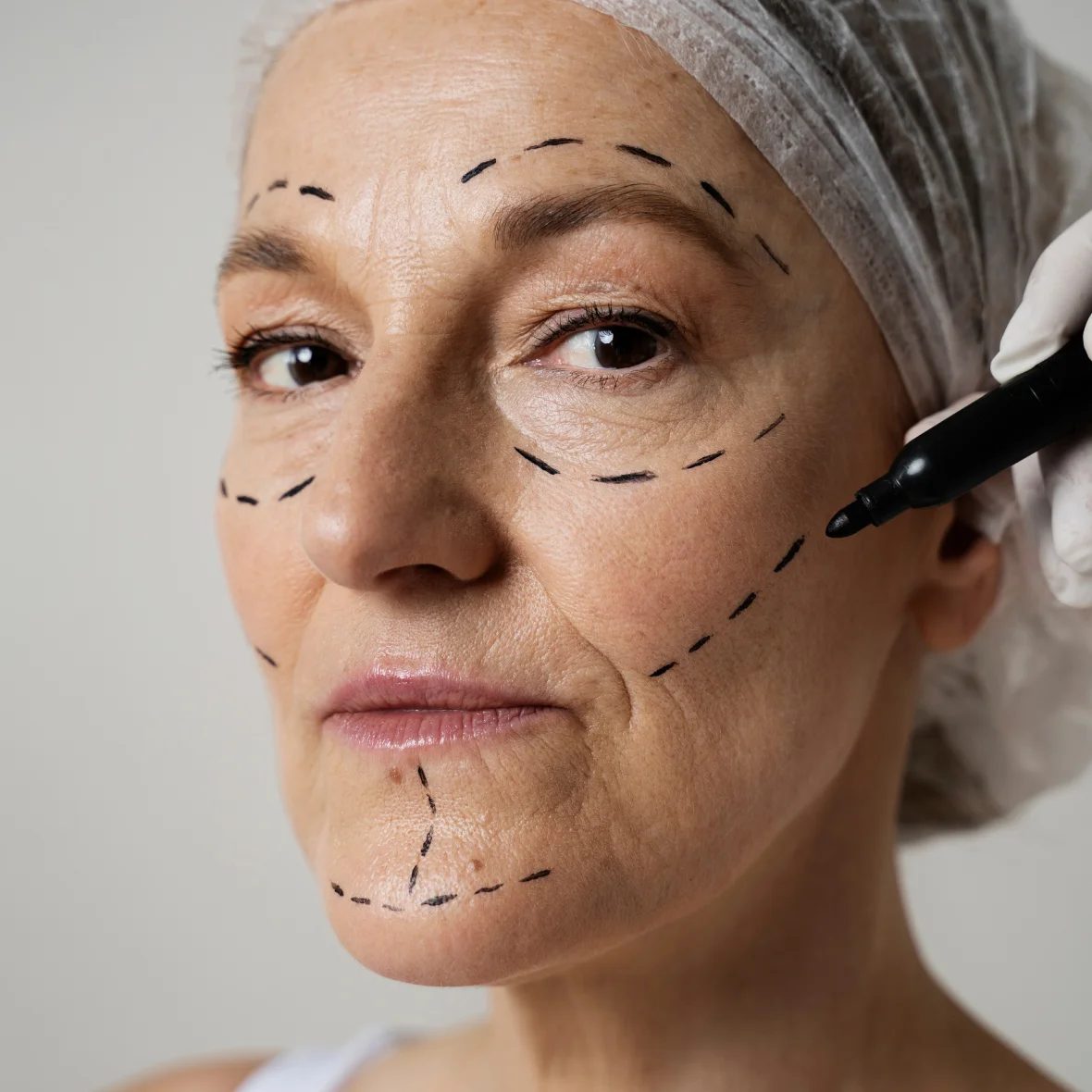
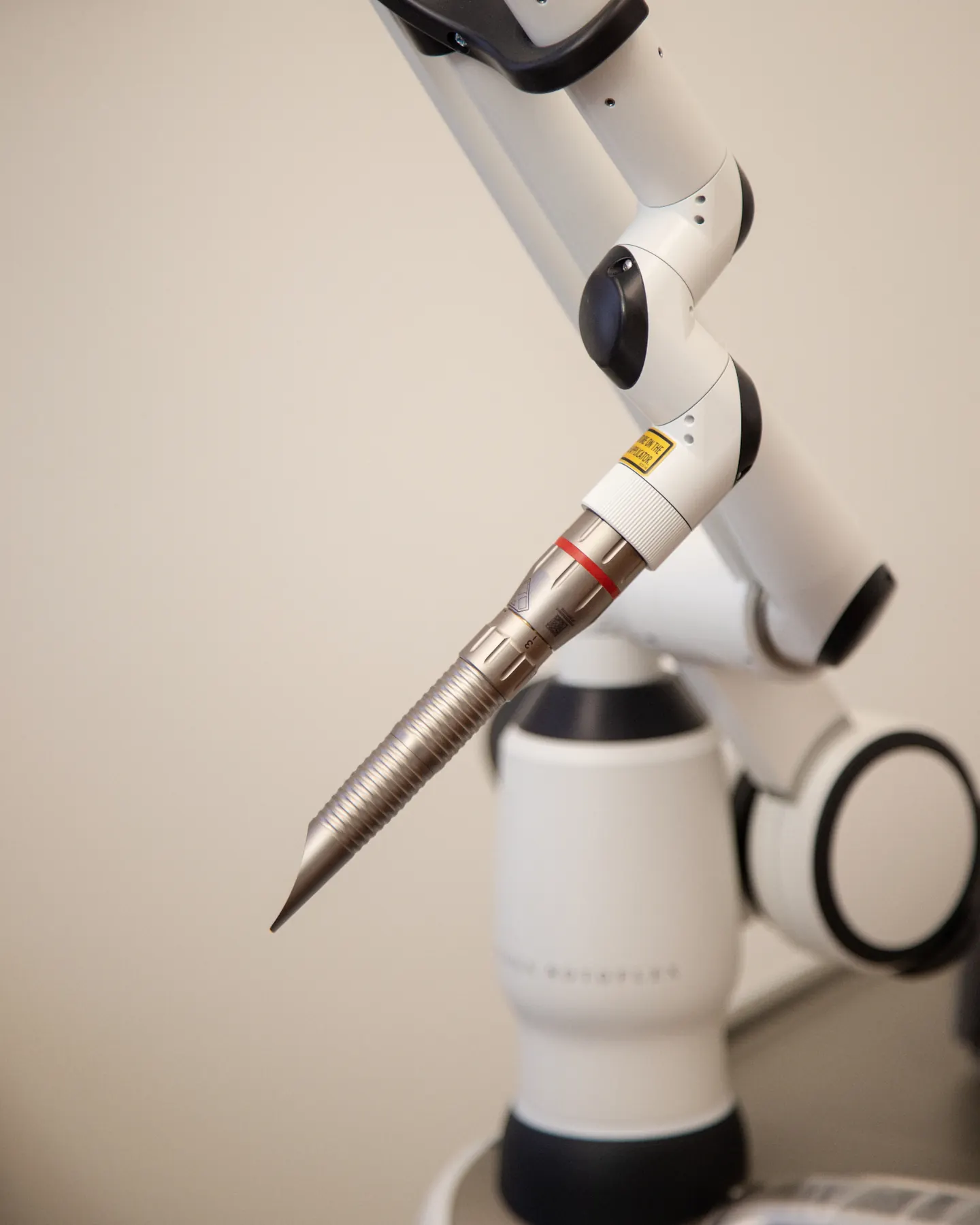
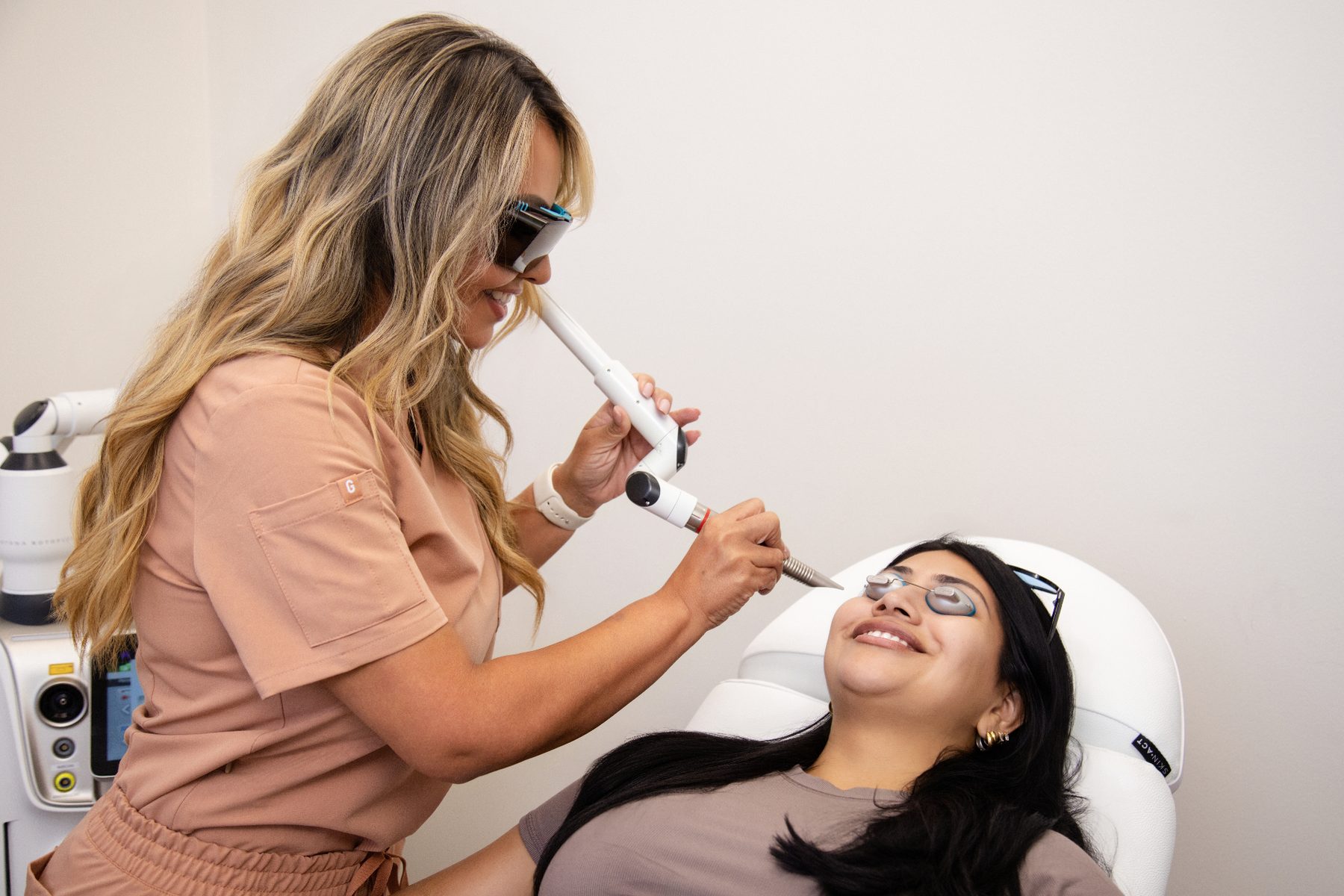
If you spend any time around aesthetic medicine in Los Angeles, you start to notice patterns. A treatment gains traction not because it is trendy for a month, but because patients keep mentioning it by name, friends ask about it over coffee, and providers with solid reputations quietly add it to their schedules because the results justify the chair time. That is very much what has happened with the Fotona 4D Laser Facial, often associated with the TimeWalker platform.
In Encino, where patients tend to be informed, selective, and realistic about what non-surgical treatments can and cannot do, this facial has become a recurring topic for good reason. It sits in a useful middle ground. It is more substantive than a spa facial, more layered than many single-pass laser treatments, and far less disruptive than surgery. For the right person, that combination is compelling.
The phrase “non-invasive facial” can sound almost too gentle to matter, which is part of the confusion. The Fotona 4D approach is not a fluff treatment. It is a structured laser protocol designed to address tone, texture, laxity, and overall skin quality through a sequence of steps that treat both inside the mouth and across the face. When done well, it can create a fresher, firmer, better-rested look without dramatically changing your face.
That distinction matters. Many patients are not asking to look different. They want to look less tired, less etched, less dull, and less creased around the mouth or lower face. They want improvement that reads as healthy, not obvious. In my experience, treatments that respect that goal tend omniawellnesscenterencino.com Fotona 4D Laser Facial (TimeWalker) Encino, CA to last.
What the Fotona 4D Laser Facial actually is
Fotona 4D is a multi-step laser treatment that combines different modes and wavelengths to work at several depths of the skin. The TimeWalker system is one of the platforms used to deliver these treatments. Rather than relying on a single mechanism, it layers thermal stimulation and resurfacing in a way that can support collagen remodeling, tighten tissue, and refine the skin surface.
What makes it stand out is the “inside-out” concept. One portion of the treatment is delivered intraorally, meaning inside the mouth, usually along the cheeks and around the perioral area. That surprises a lot of first-time patients. It sounds unusual until you understand the logic. The oral mucosa allows the laser to heat tissue from beneath the skin surface in areas where early sagging and smile line formation tend to show. Then the external portions of the treatment address deeper tissue tightening, superficial refinement, and textural polishing from the outside.
The result is not the same as a facelift, and anyone telling you otherwise is overselling it. What it can do, especially in patients with mild to moderate laxity and early signs of aging, is Fotona 4D Laser Facial (TimeWalker) Encino, CA improve skin quality and create visible tightening that looks believable. It tends to photograph well because it helps with that soft blur of skin fatigue that cameras exaggerate.
Why Encino patients are asking for it
Encino sits in a very specific aesthetic culture. People here are exposed to high-quality cosmetic care, but they are also busy. Many are balancing work, family, public-facing careers, social schedules, and outdoor lifestyles. They do not necessarily have two weeks to hide after an aggressive resurfacing treatment, and many are not ready for surgery.
That is where the Fotona 4D Laser Facial (TimeWalker) Encino, CA conversation has grown. Patients often want meaningful improvement with manageable downtime. They want something stronger than a basic facial or light peel, but they are cautious about procedures that leave them swollen, bruised, or peeling heavily for long stretches.
Another factor is that people are getting better at spotting overdone work. There is more interest now in skin treatments that improve the canvas itself, not just volume or contour. Fillers and neurotoxins absolutely have their place, but there is a reason experienced injectors often say the skin has to be addressed too. If the surface looks crepey, sun-worn, or tired, adding volume alone will not solve that problem.
Fotona 4D fits neatly into that more sophisticated approach. It is often chosen by patients who want tightening around the jawline, softening near the nasolabial folds, better texture across the cheeks, and a more refined look around the mouth without committing to surgery or a fully ablative laser.
How the treatment is performed
The exact protocol varies by provider, skin type, and goals, but the 4D concept usually unfolds in stages. The first phase often targets tissue inside the mouth to stimulate contraction and support around the lower face. Patients usually describe this as strange rather than painful. It feels warm, sometimes prickly, but generally tolerable.
The next phase addresses deeper tissue externally, using controlled heat to encourage collagen remodeling. Then comes a mode that targets more superficial imperfections, such as texture irregularity or fine lines. The final stage often provides light polishing and surface refinement.
The treatment room experience is not identical from patient to patient. That is worth emphasizing because marketing often flattens nuance. Someone with thick, oilier skin and mild lower-face heaviness may tolerate aggressive settings comfortably and recover quickly. Someone with reactive skin, rosacea tendencies, or a low heat threshold may need a gentler approach or a modified plan.
Appointment length usually falls somewhere around an hour, sometimes longer if numbing is used or if the provider combines it with other non-surgical treatments. Most patients leave pink, warm, and a little puffy, not incapacitated. The skin can feel tight and dry for several days. Makeup often goes back on quickly, depending on the intensity used.
What it helps, and what it does not
This is where expectations determine satisfaction. The treatment tends to do best for skin that has started to loosen, lose reflectivity, or show fine textural aging, but has not progressed to severe redundancy. It is often a smart option for the patient who looks in the mirror and says, “I still look like myself, but everything seems less crisp than it used to.”
It can help soften fine lines around the mouth, improve skin texture, brighten a dull complexion, and create modest tightening through the midface and lower face. Some patients also notice smoother lipstick application after treatment because the small etched lines around the lips soften.
It is less effective for very heavy jowling, significantly drooping neck tissue, or deep folds caused by structural volume loss. In those cases, laser alone may not be enough. A thoughtful provider should say that plainly. There is no virtue in pretending that every concern can be solved with one device.
I have seen the happiest outcomes in people who want a “better version of current me” result. They are not chasing a dramatic before-and-after. They want the face to look more rested and the skin to behave younger. That is very much the lane where this treatment performs well.
The appeal of the TimeWalker platform
TimeWalker has attracted attention partly because it pairs the Fotona 4D concept with a modern, polished treatment experience. Patients often respond to that. They like technology that feels precise, and they like when a device can be adapted rather than forcing everyone into the same settings.
Still, the platform alone is not the whole story. In aesthetics, the hand holding the device matters as much as the device itself. That is true for lasers, injectables, and energy treatments across the board. A skilled provider knows when to push for stronger collagen stimulation and when to pull back because the skin barrier, pigmentation risk, or patient downtime tolerance says so.
This is especially important in Southern California, where sun exposure is a year-round issue. Many patients arrive with a mix of concerns: chronic UV damage, melasma history, redness, dehydration, and early laxity all at once. That is not a cookie-cutter case. It requires judgment.
Downtime, discomfort, and the part no one should gloss over
The phrase “no downtime” gets used too casually in aesthetics. For some patients, the Fotona 4D Laser Facial feels close to that. For others, it is more accurate to say “social downtime is limited.” Those are not the same thing.
You may be pink for a day or two. You may feel heat in the skin the night of treatment. You may notice dryness, slight roughness, or a sandpapery texture for several days. If more aggressive resurfacing settings are used, the visible recovery can be longer. Most people can return to normal activities quickly, but if you have a major event the next day, I would not schedule this on a whim.
Discomfort also varies. Some patients breeze through it and compare it to a hot snapping sensation. Others find the intraoral step and surface passes fairly intense unless topical numbing is used. Pain tolerance is personal, and ethical practices prepare patients honestly rather than promising a spa-like nap.
A practical rule is to allow a buffer before photos, weddings, reunions, or on-camera work. Even if you recover beautifully, skin has a timeline. Fresh collagen remodeling is not instant.
Who tends to be a strong candidate
The best candidates are usually people with mild to moderate signs of aging who want visible improvement without surgery. They often notice early lower-face softness, dullness, textural change, or lip lines that makeup now catches.
A few profiles tend to do particularly well:
- Patients in their 30s to 50s with early laxity and fine lines
- People who want skin tightening and texture improvement in one treatment plan
- Those not ready for a facelift, or not interested in one
- Patients willing to do a series rather than expecting a one-time miracle
- People with realistic expectations about gradual, natural-looking change
That last point is the hinge. Laser rejuvenation is cumulative. A single treatment can create brightness and some tightening, but many patients see their best outcome after a series and thoughtful maintenance.
How many sessions are usually needed
This depends on age, baseline skin quality, and the treatment intensity selected. Some providers recommend a series of three sessions spaced several weeks apart, especially for collagen stimulation and more visible textural change. Others tailor the plan to one stronger session with maintenance later.
In real practice, it is often less about a universal formula and more about the skin in front of you. A patient in her late 30s with early perioral lines and good elasticity may respond well with fewer sessions. A patient with years of sun exposure, dehydration, and skin thinning may need a more layered strategy over time.
Maintenance also matters. The treatment does not freeze aging. Collagen continues to change, and daily sun exposure in Encino is not trivial. Patients who protect their skin, use sensible skincare, and return for periodic maintenance usually hold their results better.
How it compares to other popular options
One reason the Fotona 4D Laser Facial (TimeWalker) Encino, CA search term keeps surfacing is that patients are trying to sort through a crowded field. They are comparing it against microneedling with radiofrequency, IPL, fractional lasers, Sofwave, Ultherapy, and traditional facials. These are not interchangeable.
Microneedling with RF can be excellent for texture, scars, and some tightening, but it works through a different mechanism and often creates a distinct recovery pattern. IPL is useful for pigment and redness, but it is not a skin-tightening treatment in the same way. Ultherapy and Sofwave are more squarely in the lifting and collagen stimulation category, usually without the same resurfacing element. Traditional facials can support hydration and glow, but they do not produce collagen remodeling in the way a laser does.
That is why a good consultation matters. Patients often come in asking for a brand name when what they really need is a strategy. The right treatment is the one that matches the actual problem, not the one with the loudest social media presence.
Skin tone, sun exposure, and safety considerations
Laser medicine always requires attention to skin type and pigmentation risk. This is not alarmism, just good clinical sense. Some laser settings and resurfacing approaches carry more risk for post-inflammatory hyperpigmentation, especially in deeper skin tones or in patients with a history of pigment issues.
That does not automatically rule out treatment. It means the provider has to assess carefully, select settings appropriately, and sometimes prep the skin in advance. Timing also matters. A patient who has been tanning, had recent sunburn, or spends every weekend hiking without diligent sun protection is not setting themselves up for the best recovery.
Encino patients are often active outdoors, which is wonderful for health and terrible for careless laser timing. If your skin is inflamed from sun or your tan is fresh, it may be smarter to delay. The best laser treatment is not the earliest one available on the calendar. It is the one done under favorable conditions.
What to ask at your consultation
A strong consultation should feel specific, not sales-driven. If someone glances at your face for two minutes and assures you this will fix everything, that is a red flag. Good laser care involves discussion of your skin history, past procedures, pigment tendencies, medications, event timing, and tolerance for downtime.
Ask how the provider customizes the treatment. Ask what concerns they expect it to improve most. Ask what they think it will not change much. That third question is often the most revealing, because experienced clinicians know the limits of each modality and are not afraid to say them out loud.
It is also reasonable to ask about aftercare, the likelihood of needing a series, and how this treatment might pair with other options down the line. Many of the best outcomes come from combination planning, not from treating each concern in isolation.
Practical preparation and aftercare
Most patients do better when they treat laser appointments the way they would treat any worthwhile procedure, with some planning. The skin likes stability. Rushing in after heavy sun exposure, a strong retinoid binge, or an inflammatory breakout is usually not ideal.
A simple preparation and recovery approach usually includes the following:
- Avoid significant sun exposure before and after treatment
- Pause potentially irritating skincare if your provider recommends it
- Keep the skin well moisturized during the recovery window
- Use diligent daily sunscreen, even if you spend most of the day indoors
- Give the skin time before scheduling another aggressive treatment
That may sound basic, but basics determine outcomes more than many patients realize. A beautiful laser result can be undermined by picking at dry skin, restarting harsh exfoliants too soon, or assuming sunscreen is optional because it is cloudy.
What results tend to look like in real life
The most believable aesthetic improvements are often the hardest to describe in a single sentence. Friends may say you look rested. Makeup may sit better. Your skin may catch light differently. The lower face can seem subtly more supported, while fine lines around the mouth look less etched.
That is often the character of a good Fotona 4D result. It does not scream “procedure.” It reads as refinement.
Results also tend to evolve. Some immediate tightening can occur from tissue heating, but collagen remodeling takes time. Patients who expect a dramatic overnight transformation often miss the slow value of the treatment. The better frame is this: skin quality improves over weeks, and the face often looks fresher in a way that accumulates rather than explodes.
For professionals, parents, and anyone who cannot vanish for prolonged downtime, that gradual payoff is part of the appeal. You can maintain continuity in your life while still making a meaningful investment in your skin.
The real reason people keep talking about it
Not every popular treatment earns its reputation. Some ride a wave of clever branding and then fade when patient experience catches up. The reason the Fotona 4D Laser Facial continues to get attention is that it addresses a common aesthetic problem with a practical solution. People want tightening, brightening, texture refinement, and a healthier look without surgery. This treatment attempts to do all of that in one coordinated session.
It is not magic. It is not the answer for severe laxity or every skin concern. It does not replace a facelift, and it should not be sold that way. But for the large group of patients in the middle, those who want more than maintenance but less than surgery, it occupies a very useful space.
That is why the interest in Fotona 4D Laser Facial (TimeWalker) Encino, CA keeps growing. Not because everyone wants the newest device, but because many people want the same thing: a fresher face, stronger skin, and results that make sense for real life. When the treatment is chosen thoughtfully and performed well, it can deliver exactly that.
OMNIA Wellness Center
16430 Ventura Blvd Ste 207, Encino, CA 91436
Phone: +1 818-386-8511
FAQ About Fotona 4D Laser Facial (TimeWalker) Encino, CA
What is a Fotona laser good for?
Fotona lasers support several different aesthetic protocols. The Fotona 4D facial uses two wavelengths and four treatment modes to address concerns such as fine lines, skin texture, and mild laxity. OMNIA Wellness Center offers the TimeWalker facial with an individual consultation. Suitability and likely improvement depend on the person's skin and goals; results are not guaranteed, and this treatment does not reproduce a surgical facelift.
How much does a Fotona laser treatment cost?
The cost depends on the treatment protocol, areas treated, number of sessions, and provider's assessment. Ask OMNIA Wellness Center for a current written quote that explains what is included, whether follow-up is included, and any proposed package terms. An individualized estimate is more useful than assuming that one advertised price applies to every facial treatment.
How much downtime is there after a Fotona laser procedure?
Recovery varies with the specific protocol and intensity. Fotona describes its 4D facial as having little to no downtime, but temporary redness or sensitivity can occur, and a stronger surface treatment can require more recovery. Ask the treating clinician what to expect from the planned settings, how to care for the skin afterward, and when to contact the clinic with concerns.