Fotona Laser Treatments in Encino, CA: Smart Solutions for Skin Goals
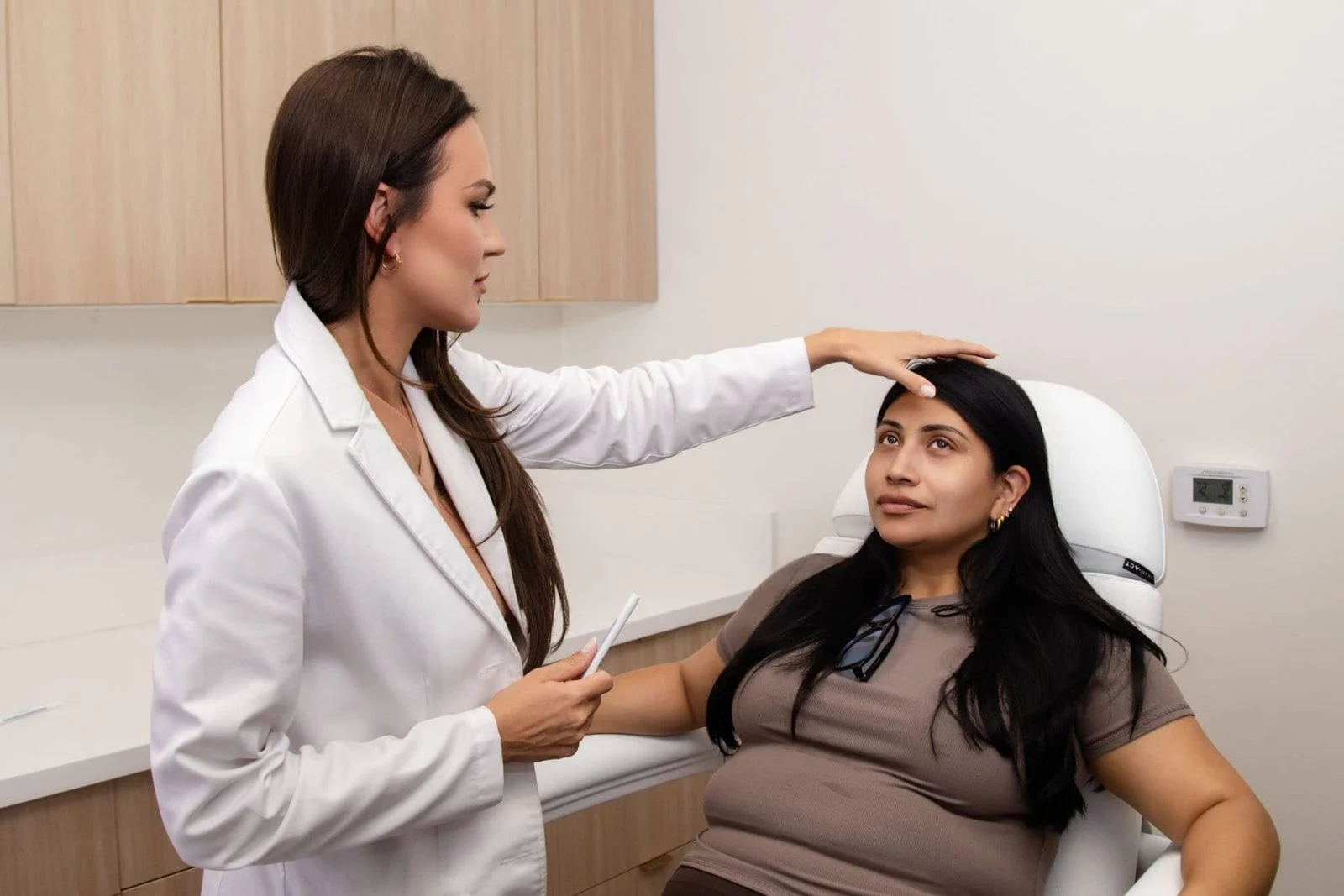
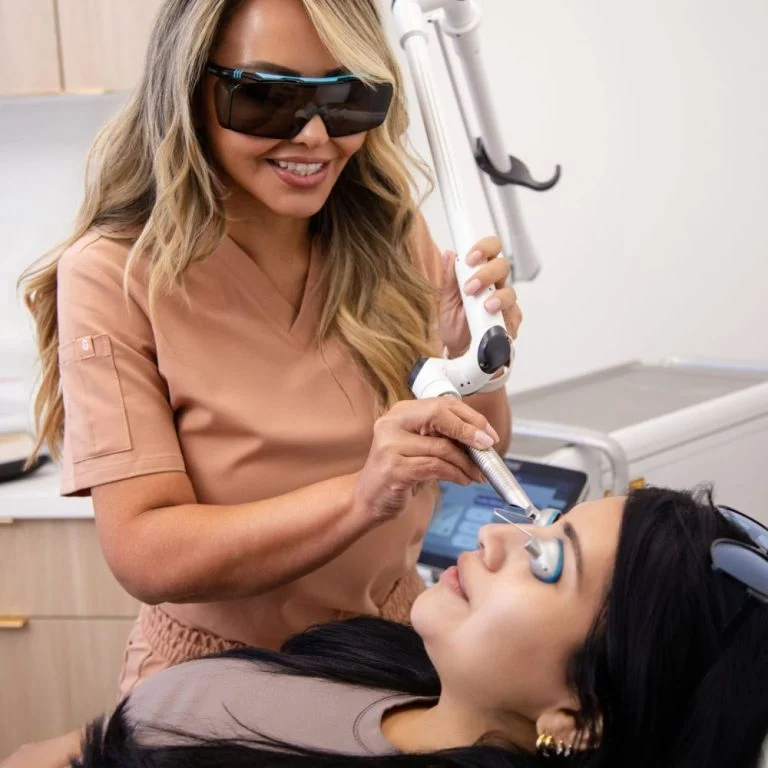

Skin concerns rarely arrive one at a time. A patient may come in thinking about acne scars and then mention redness, enlarged pores, early laxity around the jawline, sun damage across the cheeks, or a texture change that makeup no longer hides. That is one reason laser platforms with multiple treatment modes have become so useful in aesthetic practice. They give providers room to tailor care instead of forcing every skin concern into the same narrow lane.
For patients exploring Fotona Laser Treatments Encino, CA, the appeal is usually not just the technology itself. It is the flexibility. Fotona systems are known for combining erbium and Nd:YAG wavelengths, which allows providers to work at different depths and with different tissue responses depending on the goal. That matters because skin tightening is not the same conversation as pigmentation, and resurfacing is not the same as vascular work.
In a place like Encino, where people spend a great deal of time outdoors and often want visible improvement without looking overdone, that kind of range makes practical sense. The right laser plan can support healthier-looking skin, smoother texture, firmer contours, and better overall tone, often with less downtime than patients expect when they hear the word “laser.”
Why Fotona stands out in a crowded laser market
There is no shortage of laser devices on the market. Some are excellent for one task and mediocre for the next. Others can treat a broad menu of concerns but do not always allow the level of refinement experienced providers want. Fotona has earned attention because it can be adjusted in ways that make treatment plans more nuanced.
At the heart of the platform are two complementary laser wavelengths. The Er:YAG wavelength is often used for resurfacing and more superficial tissue work. It can remove damaged outer layers of skin with precision and is especially helpful when the goal is smoother texture, softening fine lines, or improving acne scarring. The Nd:YAG wavelength penetrates more deeply. It is often chosen for collagen stimulation, vascular concerns, deeper tightening, and certain non-ablative protocols where the aim is improvement with lighter recovery.
That dual-wavelength design is not just a technical footnote. It changes what a provider can actually do for the patient sitting in front of them. Someone in their early thirties with lingering acne marks may need a very different strategy than someone in their fifties with crepey skin around the eyes and lower-face laxity. A platform that supports both lighter and more intensive treatment paths gives the practitioner more room to match the treatment to the person, not the other way around.
Skin goals Fotona can address well
The strongest laser consultations are rarely about chasing one perfect treatment. They are about identifying which issue matters most right now, then building a plan that makes sense for the skin’s condition, the patient’s schedule, and the level of downtime they can tolerate.
Fotona treatments are commonly considered for uneven tone, acne scars, fine lines, enlarged pores, mild to moderate laxity, and textural dullness. They can also play a role in improving certain vascular concerns and helping skin look firmer over time. Some protocols focus on rejuvenation with almost no visible peeling. Others intentionally create a more aggressive resurfacing response to produce a larger shift in texture.
That distinction is important. Many patients arrive expecting instant, dramatic change after a single session. Sometimes that is realistic, especially for brightness or a freshened look. More often, the best outcomes develop through a series, or through one stronger treatment followed by maintenance. Realistic expectations tend to produce the happiest patients, particularly with collagen-based goals like tightening and scar remodeling, where the visible improvement can continue unfolding over several weeks or months.
Not all laser sessions feel the same
One common misconception is that “a Fotona treatment” is one standard experience. It is not. The brand includes a range of protocols, and those protocols can feel very different in practice.
A gentle non-ablative session may involve warmth, mild redness, and little interruption to daily life. Patients often describe these appointments as surprisingly manageable. They may look a bit flushed for a day, similar to a brisk workout or mild sun exposure.
A resurfacing session with more intensity is another story. Redness can last longer. Swelling can show up, especially around the eyes. Skin may feel dry, tight, rough, or begin to shed in the days that follow. In experienced hands, that trade-off can be worthwhile for the right patient, but it should never come as a surprise. Recovery is not a failure of treatment. It is often part of the treatment.
This is where consultation quality matters more than marketing language. A good provider will explain not only the ideal result, but the likely process. They will tell you what you may look like on day two, when makeup may be reasonable, when exercise should pause, and how carefully you will need to protect your skin from sun exposure afterward.
Encino patients often want improvement that still looks natural
In Encino, many aesthetic patients are not looking for an obvious intervention. They want skin that appears rested, smoother, brighter, and healthier, without telling the world exactly what they had done. Lasers fit that preference well because they improve the skin itself rather than covering the issue.
That matters for professionals who are on camera, in meetings, or simply in social settings where a natural appearance is part of their comfort level. It also matters for younger patients who are not trying to erase age, but to stay ahead of deeper changes. A patient in their late twenties or early thirties may seek a lighter protocol for texture and pore refinement, while a patient in their forties or fifties may prioritize tightening or more meaningful resurfacing.
The other reality in Southern California is sun Fotona Laser Treatments Encino, CA OMNIA Wellness Center exposure. Even careful patients accumulate photodamage over time. Fine pigment irregularities, roughness, and collagen loss often show up earlier than people expect. That is why laser treatments in this region are not only about correction. They are often part of a broader skin maintenance strategy.
Popular Fotona treatment categories and what they are really for
Specific names vary by practice, and providers may combine or customize settings, but several Fotona-based treatment types come up often in consultation.
Smooth-mode tightening protocols are popular for patients who want collagen stimulation with modest downtime. These treatments typically target deeper tissue heating and gradual tightening rather than visible peeling. Results are not overnight, but they appeal to patients who cannot disappear for a week.
Resurfacing treatments are better known for texture improvement. When someone has acne scars, etched-in fine lines, or a rough surface that topical skincare has not meaningfully changed, ablative or fractional erbium-based work may offer a better chance of visible improvement. These are the patients who need an honest conversation about recovery, because stronger results usually come with more aftercare.
There are also specialized Fotona protocols for delicate areas such as around the eyes and mouth. These areas often age early and frustrate patients because they can look tired even when the rest of the face looks good. Treating them requires restraint and judgment. Thin skin can respond beautifully, but overtreatment is never the goal.
What a good consultation should cover
A laser consultation should feel less like a sales pitch and more like a careful assessment. The best providers do not rush through skin history, current skincare use, recent sun exposure, or prior treatments. Those details matter. A patient using prescription retinoids, recovering from a recent peel, or prone to post-inflammatory hyperpigmentation may need a different plan than a patient with resilient skin and no history of pigment issues.
A strong consultation usually covers the following:
- the main concern to treat first
- whether your skin tone or medical history changes the risk profile
- expected downtime based on the exact protocol
- how many sessions may be reasonable to expect
- what aftercare will look like day by day
That last point is often underestimated. A great treatment can be undermined by poor aftercare, especially if someone resumes active skincare too quickly or gets significant sun exposure before the skin barrier has settled.
Skin type, tone, and safety deserve real attention
Laser conversations sometimes get oversimplified online. A treatment that worked beautifully for one person may not be the best choice for another, especially across different skin tones. Energy-based devices always require an understanding of how skin will respond, including the risk of hyperpigmentation, hypopigmentation, prolonged redness, or irritation.
Fotona systems can be used across a range of skin types, but settings, preparation, and post-care become crucial. Conservative treatment parameters may be the smartest option in some cases. In others, pre-treatment pigment control or a staged plan makes more sense than charging straight into an aggressive resurfacing session.
This is where provider experience matters more than flashy before-and-after galleries. Judgment is not only about pushing for dramatic change. It is also about knowing when to slow down, when to stage improvement over time, and when another modality may suit the patient better.
A patient with active melasma, for example, may not be a straightforward resurfacing candidate. A patient with active acne breakouts may need that condition stabilized before targeting scars. Someone with unrealistic expectations for one session may need education before treatment. Those are not obstacles. They are part of responsible care.
Downtime, discomfort, and the truth patients appreciate
There is a reason experienced aesthetic providers spend time on expectation-setting. Patients can handle discomfort and downtime far better than uncertainty.
Most Fotona treatments are very tolerable with topical numbing, cooling, or a modified protocol, depending on the intensity. Lighter treatments may feel hot or prickly for a short period. Stronger resurfacing can feel more intense both during the session and in the first several days of recovery. Tightness, heat, redness, and swelling are common short-term responses.
The larger question is usually social downtime. Will you be able to return to work the next day? Sometimes yes. Sometimes absolutely not. A patient scheduling a meaningful resurfacing treatment three days before a wedding, presentation, or family photos is almost always making a poor choice.
The practical timeline often matters more than the pain scale. Patients want to know when they can wear makeup, exercise, attend events, or sit in direct sunlight. They should ask those questions specifically, because recovery instructions differ depending on how much tissue was treated and how aggressively.
When Fotona is a smart choice, and when it may not be
Not every skin concern needs a laser, and not every laser is the best answer for every concern. That is one of the most important points to understand before booking.
Fotona can be an excellent choice when the goal involves texture, early to moderate laxity, superficial lines, certain scars, or overall rejuvenation. It is especially appealing when a patient wants a plan that can be adjusted over time, from lower-downtime maintenance to more transformative resurfacing.
It may be less ideal if the patient expects dramatic lifting that really calls for surgery, or if the main issue is volume loss that would be better treated with biostimulatory products or fillers used judiciously. It may also not be the right first move when skin is inflamed, heavily tanned, or unstable.
Good providers are willing to say that. In fact, it is usually a positive sign when a consultation includes alternatives. Sometimes the best plan is a combination approach. A patient might pair laser work with medical-grade skincare, microneedling, injectables, or a staged treatment calendar that spreads interventions across several months.
The role of aftercare in getting a better result
The treatment itself may last under an hour, but aftercare is what protects the investment. Freshly treated skin Fotona Laser Treatments Encino, CA is more vulnerable, and patients who do best are usually the ones who take that seriously.
Gentle cleansing, bland moisturization, and vigilant sun protection tend to form the backbone of recovery. Patients often need to pause stronger actives such as exfoliating acids or retinoids until the barrier recovers. The exact timing varies, but jumping back into a full skincare routine too early is a common mistake.
A simple aftercare mindset works best:
- protect the skin barrier
- avoid heat, friction, and sun exposure
- use only the products your provider clears
- report unexpected blistering, severe swelling, or prolonged irritation promptly
This is not glamorous advice, but it is the kind that prevents setbacks. Laser skin can look deceptively calm before it is fully healed, which is why disciplined aftercare matters even once the obvious redness begins to fade.
Cost, value, and what patients are really paying for
Patients often ask whether Fotona treatments are “worth it,” but that question only makes sense when it is tied to a specific goal. The value is different for someone trying to soften mild under-eye crepiness than for someone tackling years of acne scarring.
Pricing can vary significantly based on treatment area, intensity, provider expertise, and geography. In a market like Encino, costs may reflect not only the technology but also the caliber of consultation, customization, and follow-up. Those are not trivial factors. An inexpensive laser session that is poorly chosen or poorly executed is far more costly in the long run than a thoughtful treatment plan done well.
Patients should also think in terms of total plan rather than single-session sticker price. A lighter protocol may cost less per visit but require a series. A stronger session may cost more upfront with longer downtime, but produce a bigger shift. Neither is inherently better. The smarter choice depends on the goal, schedule, and tolerance for recovery.
Questions worth asking before booking in Encino
If you are considering Fotona Laser Treatments Encino, CA, ask practical questions, not just broad ones. Ask which Fotona protocol is being recommended and why. Ask how often your provider treats your specific concern. Ask what the first week looks like, not just the final result. If you have a history of pigmentation issues, mention it early. If you have an event on the calendar, say so.
It is also worth asking whether your provider expects the laser to be the main treatment or part of a larger plan. Patients often get the best long-term outcomes when the laser is integrated into a broader strategy that includes skincare, sun protection, and maintenance timing that respects the seasons and the realities of Southern California living.
A thoughtful plan usually sounds measured. It does not promise miracles. It explains trade-offs clearly. It makes room for the fact that skin improvement is often cumulative, and that the safest path is not always the fastest one.
The real advantage of a versatile platform
The strongest case for Fotona is not hype. It is adaptability. A versatile platform in skilled hands can meet patients at different stages of skin aging and different levels of readiness for downtime. It can support subtle upkeep for the person who wants a fresher look before changes deepen, and it can support more meaningful correction for the person who is ready to address scars, texture, or laxity more aggressively.
That flexibility is especially useful in a community like Encino, where aesthetic goals are often high, but obvious intervention is not. Patients want skin that reflects how healthy and energetic they feel, not a face that announces a procedure.
When laser treatment is matched carefully to the patient, with the right settings, realistic expectations, and disciplined aftercare, Fotona can be a smart, sophisticated option. Not because it does everything, and not because every concern belongs in a laser room, but because for the right skin goals, it gives providers the tools to work with precision and patients a path to visible, credible improvement.
OMNIA Wellness Center
Address: 16430 Ventura Blvd Ste 207, Encino, CA 91436
Phone number: +18183868511
FAQ About Fotona Laser Treatments Encino, CA
What is a Fotona laser good for?
A Fotona Laser system is a versatile, dual-wavelength medical laser used primarily for non-surgical skin tightening, anti-aging rejuvenation, and dermatological treatments.
How much does the Fotona laser cost?
The cost of a Fotona laser depends heavily on whether you are looking to purchase a laser machine for a medical practice or are a patient seeking a laser treatment at a medspa.
Is a Fotona laser worth it?
A Fotona laser treatment is generally worth it if you want non-surgical skin tightening, improved texture, and collagen stimulation with very little downtime.