How to Get the Most From Fotona 4D Laser Facial (TimeWalker) in Encino, CA
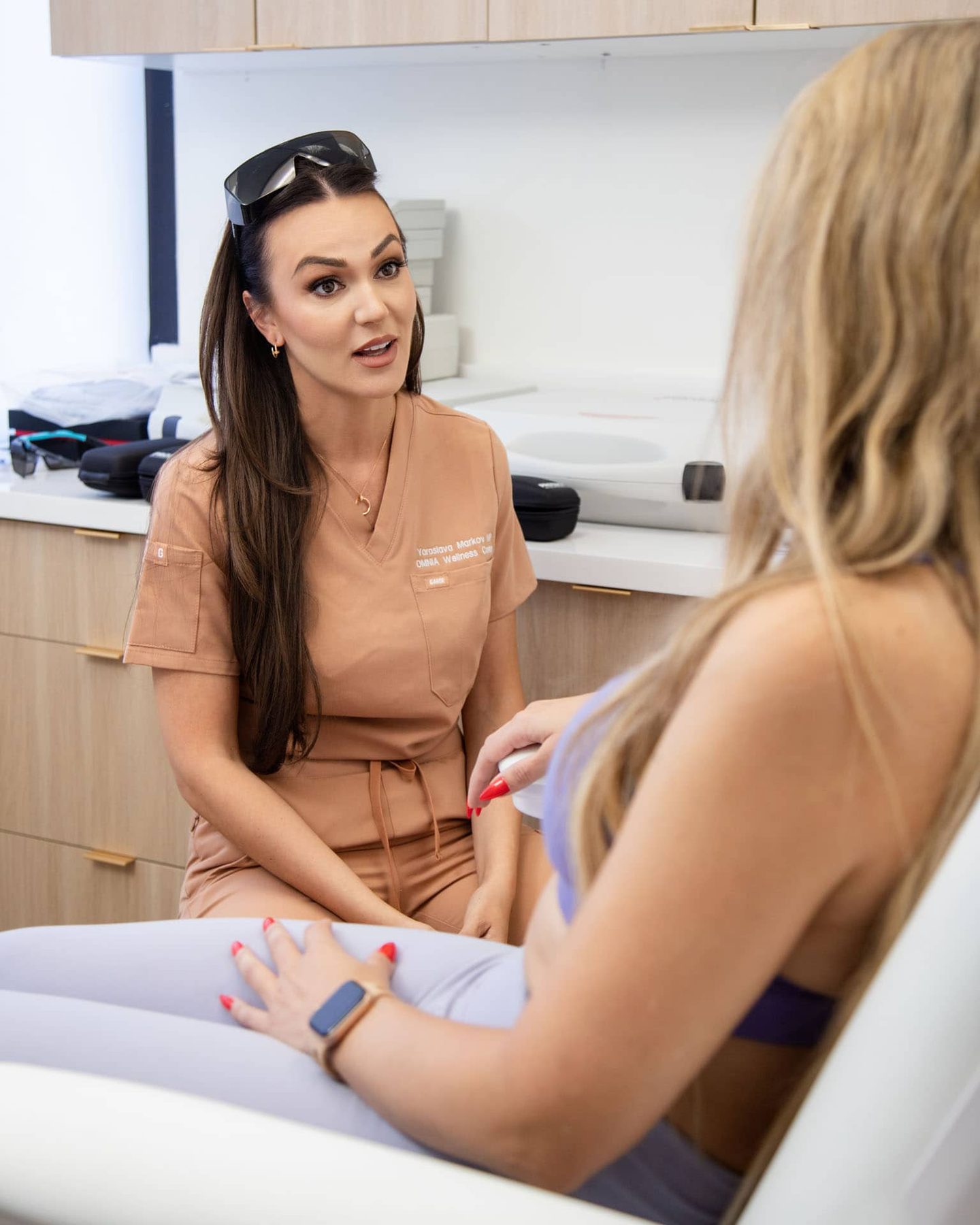
If you are considering a Fotona 4D Laser Facial (TimeWalker) in Encino, CA, the treatment itself is only part of the story. The results people notice most often, smoother texture, better tone, a fresher look around the mouth and lower face, usually come from a combination of good timing, realistic expectations, careful preparation, and a treatment plan that fits the skin in front of you.
That is what often gets missed in casual conversations about laser rejuvenation. Patients tend to focus on one question: “Does it work?” A better question is, “How do I make it work as well as possible for my skin, schedule, and goals?” The answer is more nuanced, especially with a treatment like Fotona 4D, which is designed to address multiple layers and concerns in one session.
In Encino, where patients are often balancing sun exposure, active schedules, work meetings, and social downtime, practical strategy matters. A laser facial may be non-surgical, but that does not mean it is casual. The best outcomes usually come from treating it with the same level of planning you would bring to any meaningful investment in your skin.
What makes Fotona 4D different
Fotona 4D is known for combining several laser modes into one treatment session. Rather than approaching the skin from only one angle, it typically works both inside the mouth and on the outside of the face to target laxity, texture, and overall rejuvenation. That is part of why it gets attention from people who want visible improvement without surgery or a more obvious, prolonged recovery.
The “4D” concept refers to a layered approach. In practice, that means the treatment may stimulate collagen from within the oral cavity, tighten tissue more superficially, and refine the skin’s outer texture. The exact settings and emphasis can vary depending on the provider and the patient’s anatomy, but the broad appeal remains the same: one appointment can address several concerns at once.
That said, it is important to separate versatility from magic. Fotona 4D can improve mild to moderate concerns, especially early skin laxity, crepey texture, enlarged pores, and etched-in lines around the mouth. It is generally less effective for someone expecting the kind of lift a surgical procedure provides. Patients who do best are often those who want a meaningful refresh, not a completely different face.
Start with the right goal, not the trend
A surprising number of people book cosmetic treatments because they have seen a before-and-after photo that looks compelling, then realize during consultation that what bothers them most is not what the treatment is best at fixing. That mismatch leads to disappointment.
For example, someone may say they want tighter jawline definition, but what they really mean is that they dislike heavy jowling or a more substantial loss of structure in the lower face. In that case, a Fotona 4D Laser Facial (TimeWalker) in Encino, CA may improve skin quality and give modest tightening, but it may not fully address the underlying issue. Another patient may be concerned about dullness and lip lines, and that same treatment could be an excellent fit.
The practical takeaway is simple: define the outcome you want in plain language. Instead of asking for the treatment by name, describe what you see in the mirror. Good consultations often sound like this: “My skin looks tired,” “the lower face feels less firm,” “makeup settles around my mouth,” or “I want improvement without looking overdone.” Those statements help a provider decide whether Fotona 4D is the right choice, or whether a different laser, injectables, skin tightening, or a combined approach would serve you better.
Why provider judgment matters so much
Laser technology matters, but the person operating it matters just as much. Two patients can receive the same branded treatment and walk away with very different experiences. Settings, treatment sequence, heat tolerance, skin preparation, and post-care guidance all affect the result.
This is especially important in a place like Encino, where many patients want treatments that fit seamlessly into professional and social lives. A skilled provider knows how to balance results with downtime. They also know when to pull back. More heat is not always better. Chasing an aggressive endpoint can increase irritation without improving the long-term outcome.
In real practice, customization is what separates a polished result from a merely decent one. A patient with thin, dry skin and early laxity needs a different strategy than someone with oilier skin, more textural irregularity, and years of sun exposure. The same goes for patients who are prone to pigmentation changes, who have a history of cold sores, or who are using strong active skin care ingredients.
When researching a practice, ask how often they perform Fotona 4D, what concerns they typically treat with it, and how they adjust the treatment for different skin types and recovery preferences. Those are more useful questions than simply asking whether the device is available.
Timing your treatment around life in Encino
The climate and lifestyle in Southern California create some predictable challenges for laser patients. Sun exposure is the obvious one. Even patients who are diligent about sunscreen often underestimate incidental sun, driving, walking the dog, having lunch outdoors, or sitting near windows for extended periods.
If you want the most from your treatment, schedule with your calendar in mind. Many people do best by planning sessions when they can avoid direct sun more easily and keep skin care simple for several days. You do not necessarily need to hide out at home, but it helps if you are not heading straight into a beach weekend, a long hike, or a packed week of outdoor social events.
If you have a major event, do not book your first treatment right before it. Some patients look fairly presentable quickly, while others stay pink, puffy, or dry longer than expected. A first session is not the time to gamble. Give yourself enough buffer to learn how your skin reacts.
A conservative rule is to allow at least a couple of weeks before an important event, sometimes longer if your skin runs sensitive or if the treatment plan is more intensive. That timing also gives your skin a chance to move beyond the immediate post-laser phase, when it can look a bit dry or uneven before the improvement becomes more apparent.
Preparation that actually changes the outcome
Preparation does not need to be elaborate, but it should be intentional. The goal is to reduce unnecessary irritation and help your skin recover predictably. People often focus on what to buy afterward, but the pre-treatment window matters just as much.
Here are the basics worth paying attention to before a Fotona 4D Laser Facial (TimeWalker) in Encino, CA:
- Minimize sun exposure in the days and weeks leading up to treatment, and wear broad-spectrum sunscreen consistently.
- Pause irritating topical products if your provider recommends it, especially retinoids, strong acids, or exfoliating scrubs.
- Mention any history of cold sores, pigment changes, or delayed healing during consultation, even if it seems minor.
- Arrive with clean skin and realistic expectations about redness, warmth, and temporary dryness.
- Plan your social calendar so you are not forced to cover healing skin with heavy makeup too soon.
This is one of those areas where small decisions add up. A patient who comes in slightly sunburned, over-exfoliated, and dehydrated is more likely to feel the treatment intensely and recover unevenly. A patient whose skin barrier is calm and whose routine has been simplified tends to do better.
Your skin care routine can either support or sabotage the laser
Many people who seek laser rejuvenation are already using a long list of active products. That is understandable. By the time someone books a laser facial, they have often tried acids, retinoids, vitamin C, growth factor serums, brightening pads, and maybe a few trend-driven products that promised more than they delivered.
The problem is that a complicated routine can make pre- and post-laser management harder. I have seen patients do everything right at the appointment, then derail their recovery by restarting strong exfoliants too soon because they do not like the feeling of rough, dry skin. That roughness is often temporary. Trying to “scrub it off” usually backfires.
A better approach is to think in phases. Before treatment, keep the barrier steady. Right after treatment, prioritize hydration, bland support, and sun protection. Then, once the skin is settled and your provider gives the green light, reintroduce active ingredients thoughtfully.
Patients often ask whether they should continue all their anti-aging products after Fotona 4D. Usually the answer is no, not immediately, and not all at once. If you want the best return on the treatment, you are better off using a calmer, more disciplined routine than an aggressive one that leaves your skin red and reactive.
What results usually look like, and when
This is where honest framing matters. Fotona 4D is not usually a one-and-done miracle, though some patients do notice a fresher, tighter look fairly quickly. In most cases, results build over time. You may see early improvement in radiance and texture, then more gradual changes as collagen remodeling progresses.
That timeline matters because some people judge the treatment too early. The first few days are not the final result. There can be warmth, puffiness, dryness, and a slightly “worked on” appearance before the skin settles. Later, the face may look smoother and more rested in a way that is hard to pinpoint, which is often exactly what patients want.
Series-based treatment plans are common for a reason. One session may give a nice boost, but a sequence of treatments often produces more consistent and durable improvement. The right number depends on age, baseline skin quality, degree of laxity, sun damage, and how ambitious your goals are. Someone in the early stages of collagen loss may be pleased after fewer sessions than someone with more established aging changes.
Maintenance also deserves a mention. A laser facial cannot freeze your skin in time. If you respond well, maintenance treatments and good daily habits help preserve the gains. Think of it the way you would think of exercise. A strong start helps, but consistency is what keeps the result visible.
Combining Fotona 4D with other treatments
This is often where the best cosmetic plans become more strategic. A laser can improve skin quality and mild laxity, but many faces age in several ways at once. Volume shifts, muscle movement, sun damage, redness, and texture do not all respond to the same tool.
That does not mean everyone needs a long menu of procedures. It does mean that someone who wants the most from Fotona 4D should be open to the idea that one treatment can be part of a broader plan. For example, if repetitive movement is etching lines into the forehead or around the eyes, neuromodulators may help preserve the smoothing effect. If volume loss is making the midface look flat, filler or another biostimulatory option may address something the laser cannot. If pigmentation is the main complaint, a different laser or peel may be more relevant.
The best combinations are not built on upselling. They are built on sequencing. Good providers know when to stack treatments, when to separate them, and when to leave well enough alone.
Who tends to get the best value from this treatment
Not every patient defines “most from it” the same way. For some, it means visible improvement with minimal downtime. For others, it means delaying more invasive procedures. The people who are happiest with Fotona 4D often share a few traits.
They usually want refinement rather than transformation. They understand that collagen stimulation is gradual. They follow sun protection well enough to protect their investment. They are willing to do a series if needed, and they do not compare a non-surgical laser facial to a facelift.
Patients in their thirties, forties, and fifties often make strong candidates, especially when the concerns center on early to moderate texture changes and mild laxity. That said, suitability depends more on skin condition and expectations than on age alone. I have seen younger patients benefit because they wanted prevention and maintenance, and older patients benefit because they wanted improvement without surgery. The deciding factor is not age. It is fit.
Questions worth asking at your consultation
A consultation should leave you with a clear sense of what the treatment can do, what it cannot do, and how recovery fits your life. If you leave with only a vague promise of “rejuvenation,” you probably need more detail.
Ask what concerns on your face are most likely to improve and which are less likely to change. Ask how many sessions are typically recommended for someone with your skin quality and goals. Ask what downtime usually looks like in that office’s patient population, not just the theoretical minimum. Ask what skin care should be paused before treatment and when it can be restarted. Ask whether your history, including melasma, hyperpigmentation, cold sores, or active breakouts, changes the plan.
These questions are not excessive. They are practical. They help you avoid the most common source of dissatisfaction, which is not poor technology, but poor alignment.
Aftercare is where disciplined patients pull ahead
There is a noticeable difference between patients who treat aftercare casually and those who take it seriously. The skin after laser treatment is Fotona 4D Laser Facial (TimeWalker) Encino, CA OMNIA Wellness Center more vulnerable to irritation, dehydration, and pigment issues. Good aftercare protects the result you just paid for.
The strongest habits are not glamorous. They are simple and repetitive: gentle cleansing, barrier-supportive moisture, steady sunscreen use, and restraint. The restraint part is often hardest. People want to get back to acids, retinoids, workouts, heat exposure, or heavy makeup immediately because life moves on. Sometimes the skin is not ready.
A short period of caution is usually worth it. I have seen beautifully treated skin stay calm and glow because the patient respected the healing phase. I have also seen otherwise promising results compromised by “just one” spin class, a sunny patio brunch, or a return to harsh products too soon. Your provider’s aftercare instructions should carry more weight than internet advice, especially if the advice comes from someone whose skin, treatment settings, and medical history are nothing like yours.
Common mistakes that reduce the payoff
Most underwhelming outcomes are not true failures. They are cases where expectations, timing, or follow-through were off.
The most common pattern is starting treatment too late for the goal. If someone wants significant lifting but is not a candidate for surgery or does not want it, a laser can still help, but the improvement may be modest relative to their wish list. Another common issue is doing one session, waiting for dramatic change, then deciding the treatment “did nothing” before collagen remodeling has had time to occur or before completing a recommended series.
Sun habits are another major factor in Southern California. You cannot out-laser regular UV exposure. A patient who spends weekends outdoors without consistent protection will generally have a harder time maintaining improvements than someone who is more disciplined.
Then there is the skin care trap, using too much, too soon, too often. More product does not equal more progress, especially around a laser treatment. When the barrier is irritated, even excellent products can become a problem.
What “getting the most from it” really means
For most patients, success with a Fotona 4D Laser Facial (TimeWalker) in Encino, CA looks like this: your skin appears smoother, fresher, and a bit firmer; the improvement looks believable; and the treatment fits your life without creating a dramatic interruption. The face still looks like your face, just less tired and more polished.
That kind of result rarely comes from chasing the strongest settings or expecting a laser to solve every issue. It comes from choosing the right treatment for the right reasons, working with a provider who knows how to customize, protecting your skin before and after, and giving the process enough time to work.
If you approach it that way, the treatment tends to feel less like a gamble and more like a smart, well-managed step in long-term skin maintenance. That is usually where the best value lies, not in a flashy promise, but in steady, visible improvement that holds up in daylight, at conversation distance, and in the mirror when no filter is helping.
OMNIA Wellness Center
16430 Ventura Blvd Ste 207, Encino, CA 91436
Phone: +1 818-386-8511
FAQ About Fotona 4D Laser Facial (TimeWalker) Encino, CA
What is a Fotona laser good for?
Fotona lasers support several different aesthetic protocols. The Fotona 4D facial uses two wavelengths and four treatment modes to address concerns such as fine lines, skin texture, and mild laxity. OMNIA Wellness Center offers the TimeWalker facial with an individual consultation. Suitability and likely improvement depend on the person's skin and goals; results are not guaranteed, and this treatment does not reproduce a surgical facelift.
How much does a Fotona laser treatment cost?
The cost depends on the treatment protocol, areas treated, number of sessions, and provider's assessment. Ask OMNIA Wellness Center for a current written quote that explains what is included, whether follow-up is included, and any proposed package terms. An individualized estimate is more useful than assuming that one advertised price applies to every facial treatment.
How much downtime is there after a Fotona laser procedure?
Recovery varies with the specific protocol and intensity. Fotona describes its 4D facial as having little to no downtime, but temporary redness or sensitivity can occur, and a stronger surface treatment can require more recovery. Ask the treating clinician what to expect from the planned settings, how to care for the skin afterward, and when to contact the clinic with concerns.