What Makes Fotona Laser Treatments in Encino, CA So Effective?
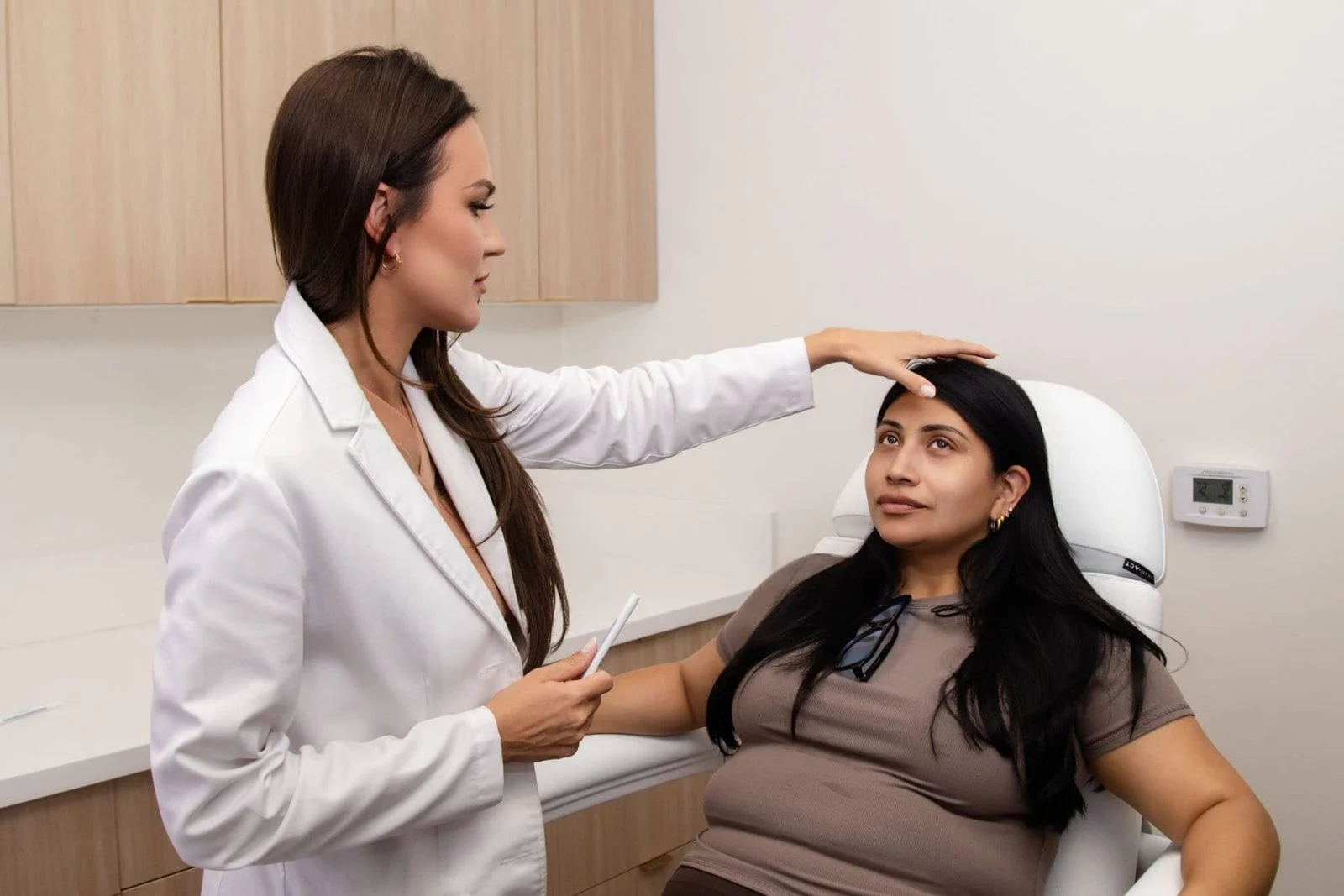
Patients rarely ask whether a laser is "good" in the abstract. They ask whether it will help their acne scars, their lax skin, their rosacea, or the crepey texture around their eyes. That is the real standard. Effectiveness in aesthetics and skin rejuvenation is never just about the device. It comes from the combination of the platform’s capabilities, the provider’s judgment, the treatment plan, and the patient’s skin biology.
That is why Fotona has earned such a strong reputation. When people search for Fotona Laser Treatments Encino, CA, they are usually looking for more than brand recognition. They want treatments that can produce visible improvement without forcing them into a long recovery or an all-or-nothing procedure. Fotona stands out because it is unusually versatile, precise, and adaptable across a range of cosmetic and functional concerns.
The practical appeal is easy to understand. A patient may want smoother skin texture but cannot take two weeks off work. Another may need tightening around the jawline but wants to avoid surgery for now. Someone else may be dealing with acne scars and persistent redness at the same time. A platform that can be adjusted for depth, heat delivery, and surface effect gives a skilled practitioner room to build a plan rather than offer a one-size-fits-all answer.
The reason Fotona gets different results
Many laser discussions stay too general. They talk about "collagen stimulation" and "renewal" without explaining why one treatment feels more customizable than another. Fotona tends to perform well because it uses laser wavelengths and treatment modes that can target tissue in different ways, from superficial resurfacing to deeper thermal remodeling. That flexibility matters in daily practice.
Not every concern needs the same kind of injury pattern. Fine lines around the mouth, for example, often benefit from controlled resurfacing that smooths the upper layers while also nudging collagen production below the surface. Mild skin laxity along the lower face requires a different strategy, one that prioritizes deeper heating and tightening. Acne scars may need a series approach that balances texture improvement with the patient’s tolerance for downtime. Fotona’s range of settings allows providers to move between these goals with more precision than many single-purpose devices.
That precision becomes especially important in a place like Encino, where patients often want noticeable results that still fit normal life. They may need to be back in meetings, on camera, at school pickup, or at a social event within days. A laser platform that can be dialed toward lower downtime or toward stronger resurfacing gives the practice more room to tailor treatment instead of overpromising.
It is not one treatment, it is a platform
One of the biggest misunderstandings about Fotona is that people talk about it as if it were a single treatment. It is better thought of as a platform with multiple applications. That distinction matters because the word "effective" means different things depending on what the patient is trying to correct.
A person seeking tightening around the eyes may be treated very differently from someone addressing sun damage on the cheeks. A patient with acne scars on the temples needs a different pattern of energy and healing than a patient with dull, rough skin before a wedding. Fotona can be used in non-ablative ways, in ablative resurfacing modes, and in layered protocols that combine tissue tightening with surface renewal.
In experienced hands, this allows something that patients appreciate immediately: a treatment plan that sounds specific. Instead of hearing, "This laser is great for everything," they hear, "For your concerns, I would use a deeper heating pass for laxity and a lighter resurfacing component for texture, likely over a series of sessions." That level of specificity usually reflects a more thoughtful use of the technology.
Dual-wavelength capability changes the conversation
A major reason Fotona treatments are considered effective is the use of distinct wavelengths that interact with skin and soft tissue differently. In practical terms, this lets the provider choose whether to emphasize deeper thermal effects, surface renewal, vascular response, or tissue remodeling.
This is more than a technical footnote. In treatment rooms, it changes outcomes. If a patient has early lower-face sagging with relatively good skin texture, there is little value in treating them as if resurfacing were the primary need. If another patient has etched lines and rough, sun-damaged skin but minimal laxity, deeper tightening alone will not address what bothers them most. The ability to match wavelength and mode to the actual complaint is one of the reasons patients often see Fotona as a high-value option.
There is also a safety component here. Better matching of treatment settings to skin condition and goal can improve efficiency while reducing unnecessary trauma. That does not mean zero risk, because no laser treatment carries zero risk, but it does mean there is more room for calibrated treatment rather than blunt-force energy delivery.
Heat, timing, and why collagen remodeling takes skill
Patients often hear that lasers stimulate collagen, but the phrase is too vague to be useful. Collagen remodeling happens when tissue receives enough controlled thermal stimulus to trigger a repair response, but not so much that healing becomes unpredictable or unnecessarily prolonged. That balance is where provider experience shows.
With Fotona, effectiveness often comes from stacking the right type of thermal effect over the right treatment interval. Some patients respond beautifully to progressive treatments spaced several weeks apart. Others need a stronger initial session followed by maintenance. Younger patients with mild laxity may see meaningful improvement with conservative energy and patience. Patients with heavier tissue or more advanced photodamage may need a more aggressive approach, or they may learn that laser treatment can improve but not replace surgery.
This distinction matters because realistic planning is part of good outcomes. The most satisfied patients are often not the ones who heard the biggest promises. They are the ones whose provider correctly judged what the laser could do, what it could not do, and how many sessions would likely be required.
Why texture and tone often improve together
One of Fotona’s practical strengths is that it can address more than one visible issue in the same general treatment strategy. Many people do not come in with a single isolated concern. They notice roughness, enlarged pores, uneven pigment, early fine lines, and a certain loss of bounce all at once. Skin aging tends to accumulate in layers.
When treatment is designed well, improvements in texture can make pigmentation look less harsh, and improvements in tightness can make pores or shallow lines appear less obvious. This layered effect is one reason laser treatments can be more satisfying than highly targeted spot fixes. The patient may come in focused on one complaint but leave pleased that the overall skin quality looks healthier.
A useful example is the patient with sun-exposed cheeks and perioral lines. Surface smoothing alone may brighten the complexion, but the mouth area can still look etched. Deeper remodeling without addressing the top layer may firm the tissue slightly while leaving the weathered surface intact. Combining approaches, when appropriate, is where Fotona often shines.
Downtime is part of effectiveness, not separate from it
People tend to treat downtime as a side issue, but it directly affects whether a laser treatment works in the real world. If a patient cannot tolerate the recovery, they may postpone treatment, stop after one session, or choose settings so conservative that results are minimal. A treatment that fits the patient’s life is often the treatment that gets completed.
Fotona is effective partly because it offers a spectrum. Some protocols involve very manageable recovery, perhaps temporary redness, swelling, warmth, or mild dryness. Others, especially more aggressive resurfacing approaches, can involve more visible healing. The point is not that one is better than the other. The point is that the provider can choose based on the patient’s priorities.
I have seen this matter most in three kinds of patients. The first is the professional who can handle a day or two of redness but not social downtime that lasts over a week. The second is the parent or caregiver whose schedule makes prolonged aftercare unrealistic. The third is the patient who is willing to accept more recovery because they care far more about maximizing texture improvement than staying camera-ready. A versatile laser system can meet all three with far more nuance.
The provider matters as much as the platform
It is tempting to think that if a device is excellent, results are automatic. They are not. Laser outcomes depend heavily on assessment, patient selection, pre-treatment preparation, parameter choice, and aftercare guidance. This is especially true with a system as adaptable as Fotona.
A strong provider does not just know the machine. They know skin behavior. They know when redness is expected and when it signals overtreatment. They know which acne-scar pattern is likely to improve significantly and which one may need combination therapy. They know that a patient with melasma, post-inflammatory hyperpigmentation history, or active breakouts requires extra caution and a modified plan.
This is why the best consultations often sound less like a sales pitch and more like a careful strategy session. The provider asks what bothers the patient most, what level of downtime is acceptable, how the skin has reacted to prior treatments, whether there is a history of cold sores, what medications are being used, and whether a near-term event changes the timeline. Those details shape outcomes.
Not every patient needs the same aggressiveness
There is a common mistake in cosmetic medicine: equating stronger treatment with better treatment. Sometimes that is true. Often it is not. With Fotona, one of the advantages is that treatment intensity can be calibrated without abandoning efficacy altogether.
For a patient in their thirties with mild textural change, conservative treatment may preserve a natural look while preventing progression. For a patient in their fifties with deeper lines and sun damage, a more robust plan might make better sense. For a patient with sensitive skin or a tendency toward pigment changes, the safest route may involve gradual improvement over a series.
This kind of judgment is especially relevant in Southern California, where sun exposure is a real factor. Skin that has accumulated years of incidental ultraviolet damage, driving in daylight, outdoor exercise, weekend activities, often presents differently than skin in less sun-intense regions. That does not make treatment impossible. It simply means that treatment must be planned with the local reality of photodamage and post-treatment sun protection in mind.
The Encino factor: what patients here often want
Encino patients are not all the same, but there are recognizable patterns in what many of them ask for. They usually want polished results rather than an obvious "procedure look." They care about skin quality, not just isolated wrinkle reduction. They often prefer options that feel intelligent and measured, especially before moving toward surgery or more invasive interventions.
That is part of why Fotona Laser Treatments Encino, CA generate sustained interest. The platform can support subtle tightening, resurfacing, acne-scar improvement, and rejuvenation in a way that can be adjusted to different ages and lifestyles. Someone preparing for a milestone event may want a fresher, smoother appearance without looking treated. Another patient may be building a long-term maintenance plan and wants a laser that can evolve with their needs.
Encino also has a patient population that tends to be well-informed. Many arrive after researching fractional lasers, radiofrequency, microneedling, and surgical options. They are not only asking what the laser does. They are asking why this approach is better for their skin than another technology. Fotona holds up well in that conversation because it offers meaningful versatility rather than a single narrow application.
What kinds of concerns tend to respond well
While no ethical provider should promise universal success, there are certain categories where Fotona commonly earns its reputation. These include fine lines, early to moderate laxity, acne scars, enlarged pores, uneven texture, and some forms of overall Fotona Laser Treatments Encino, CA skin dullness associated with photoaging. Depending on the protocol, it may also be used in areas that are difficult to improve with topical products alone.
The key phrase is "depending on the protocol." A patient with severe skin laxity may still be better served by surgery if lifting is the primary goal. A patient with deep pitted scarring may improve, but likely through a series and sometimes in combination with other modalities. A patient with significant pigmentation issues may need a plan that addresses inflammation and barrier health before laser treatment becomes the main event.
This is where good consultations protect patients from disappointment. The best results usually happen when the concern is clearly matched to the treatment’s strengths.
Questions that separate a thoughtful laser practice from a flashy one
If someone is considering Fotona treatment, a few practical questions often reveal how seriously the clinic approaches planning and safety.
- Which specific Fotona protocol do you recommend for my concern, and why?
- How much downtime should I realistically expect based on those settings?
- How many sessions do patients like me usually need to see visible improvement?
- What risks matter most for my skin type or history?
- What should I do before and after treatment to protect the result?
The answers should sound individualized. If every patient hears the exact same script, that is not a great sign. Laser medicine works best when it is customized.
What recovery really looks like
A lot of anxiety around laser treatment comes from not knowing what healing will feel like. Sensations and downtime vary by intensity, but most patients do better when they know what is normal. The treated skin may feel warm, tight, or slightly swollen at first. Redness can range from mild to more pronounced. With stronger resurfacing, the skin may become rough or bronzed before it sheds.
The practical advice is usually straightforward: gentle cleansing, bland moisturizer, sun avoidance, and temporary pauses on irritating skincare. Yet this simple phase affects the final result more than many people realize. Patients who resume strong acids too soon or underestimate sun exposure can interfere with recovery and increase the chance of complications.
One pattern I have seen repeatedly is that patients who prepare their schedule and skincare in advance tend to have a smoother experience. It sounds minor, but having the right cleanser, moisturizer, sunscreen, and expectations in place before treatment reduces stress and helps compliance.
Why maintenance matters more than people expect
Laser treatments can create impressive change, but skin continues to age, move, dehydrate, and accumulate sun exposure after the appointment is over. That does not diminish the value of treatment. It simply means that maintenance is part of responsible planning.
A patient who invests in resurfacing and then neglects daily sunscreen will not hold results as well as a patient who protects their skin consistently. Someone who responds well to tightening may benefit from periodic maintenance sessions rather than waiting until laxity advances further. This is another area where Fotona’s flexibility helps. Not every follow-up has to be as intensive as the initial course.
A useful analogy is dental care. Deep cleaning can improve the condition, but long-term health still depends on maintenance habits and interval care. Skin behaves similarly. The best outcomes usually come from pairing a strong procedure with realistic long-term upkeep.
Where Fotona fits among other aesthetic options
No device is the best answer for every problem. Injectables can be better for volume loss or dynamic wrinkles. Surgery remains the more decisive option for advanced laxity. Microneedling may be an excellent lower-intensity choice for certain patients. Radiofrequency devices can also support tightening. What makes Fotona notable is that it occupies a middle ground with unusual breadth.
It can do more than a very narrow resurfacing laser, yet for many patients it feels less daunting than jumping straight to surgery. It can be gentler or more assertive depending on settings, and that range is valuable. In experienced hands, it can be integrated with other treatments rather than treated as a stand-alone miracle.
That balanced role is one of the reasons the platform continues to attract interest. It gives both patient and provider options. Options matter when skin concerns are layered, schedules are complicated, and goals sit somewhere between subtle refresh and significant correction.
The real answer to why it works
Fotona is effective not because of marketing language or because the name sounds advanced. It is effective because it gives skilled practitioners a broad toolkit for delivering controlled energy where it is needed, at the depth and intensity that fit the concern. It can tighten, resurface, refine texture, and support collagen remodeling with a level of adaptability that many patients benefit from.
For people exploring Fotona Laser Treatments Encino, CA, the most important takeaway is simple. The technology is strong, but the result depends on matching the right protocol to the right patient at the right level of intensity. When that happens, the treatment often feels less like a generic laser session and more like a carefully engineered plan for better skin.
That is usually what patients mean when they say a treatment is effective. Not that it sounded impressive. That it addressed what they actually see in the mirror, fit their life, and delivered change they could recognize without regret.
OMNIA Wellness Center
Address: 16430 Ventura Blvd Ste 207, Encino, CA 91436
Phone number: +18183868511
FAQ About Fotona Laser Treatments Encino, CA
What is a Fotona laser good for?
A Fotona Laser system is a versatile, dual-wavelength medical laser used primarily for non-surgical skin tightening, anti-aging rejuvenation, and dermatological treatments.
How much does the Fotona laser cost?
The cost of a Fotona laser depends heavily on whether you are looking to purchase a laser machine for a medical practice or are a patient seeking a laser treatment at a medspa.
Is a Fotona laser worth it?
A Fotona laser treatment is generally worth it if you want non-surgical skin tightening, improved texture, and collagen stimulation with very little downtime.